 Inverters & Batteries ship FREE
 Ask about rewards for referring friends and family
 U.S. Based Support
 Want to Add a battery?
| Feature |
Enphase IQ Battery 10C |
Tesla Powerwall 3 |
SolarEdge Home Battery 10kWh |
FOX ESS PowerQ AIO |
Sigenergy SigenStor |
|---|---|---|---|---|---|
| Usable Capacity | 10.0 kWh | 13.5 kWh | 9.7 kWh | ~9.7–19.85 kWh (modular) | 5.2 or 7.8 kWh per module (scalable) |
| Continuous Power Output | 7.08 kW | 11.5 kW | 5.0 kW | 3.8 – 11.4 kW | 2.5 – 12 kW |
| Peak Power Output | 14.16 kW (3 sec) / 11.33 kW (10 sec) | 30 kW (10 sec) | 7.5 kW (10 sec) | Up to 15 kW+ surge | 3.75 – 6.9 kW (10 sec) |
| Chemistry | LFP (LiFePO₄) | LFP (LiFePO₄) | NMC | LFP (LiFePO₄) | LFP (LiFePO₄) |
| Best For | Existing Enphase microinverter systems | Whole-home backup & high loads | Existing SolarEdge optimizer systems | Budget-friendly all-in-one hybrid | High scalability & cycle life |
| Coupling Type | AC-Coupled | AC-Coupled (integrated hybrid) | DC-Coupled | AC/DC hybrid capable | AC/DC hybrid capable |
| Scalability | Excellent (stack multiple units) | Good (up to 4 units) | Up to 3 units | Excellent (up to ~80 kWh) | Excellent (highly stackable) |
| Roundtrip Efficiency | ~90% AC / 96% DC | ~96% | Up to 94.5% | Up to 97% | ~95–98% |
| Warranty | 15 years or 6,000 cycles (60% capacity) | 10 years | 10 years | 10–12.5 years | 10 years (often upgradable) |
| App & Monitoring | Excellent (Enphase App) | Excellent (Tesla App) | Very Good | Good | Good (mySigen App) |
| Installation Ease (Retrofit) | Excellent for Enphase systems | Very good | Best with SolarEdge | Very good (all-in-one) | Good (modular) |
| Safety Certification | UL 9540A | UL 9540A | UL 9540A | UL 9540A | UL / IEC compliant |
| Price Range (before incentives) | $$ –$$$ | $$$ | $$ | $$ (strong value) | $$–$$$ |
| Ideal Retrofit Scenario | Enphase microinverter systems | Maximum power / whole-home backup | SolarEdge optimizer systems | Cost-effective all-in-one | Future-proof modular setups |
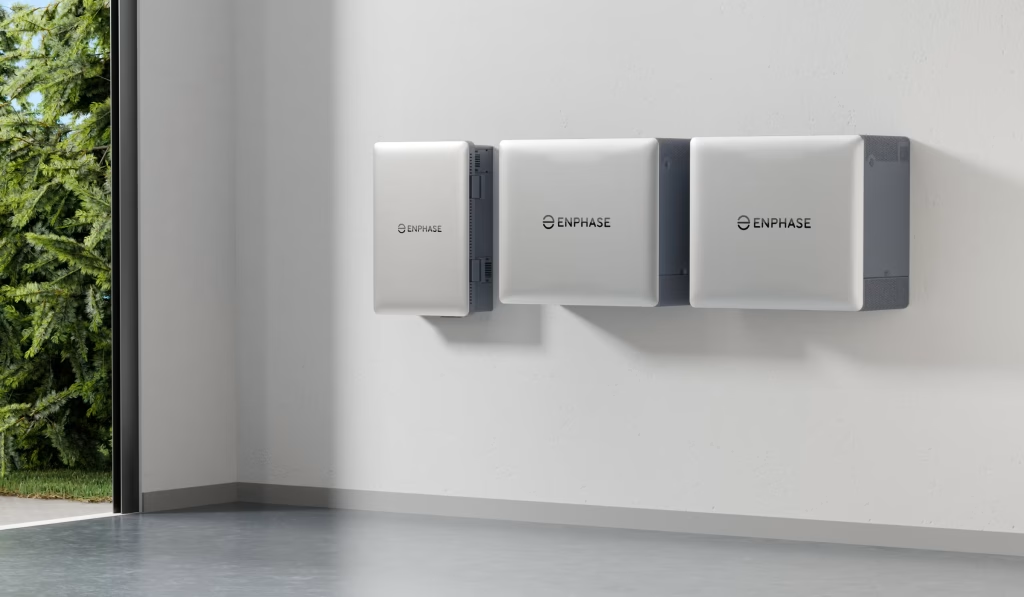
Enphase IQBATTERY 10C
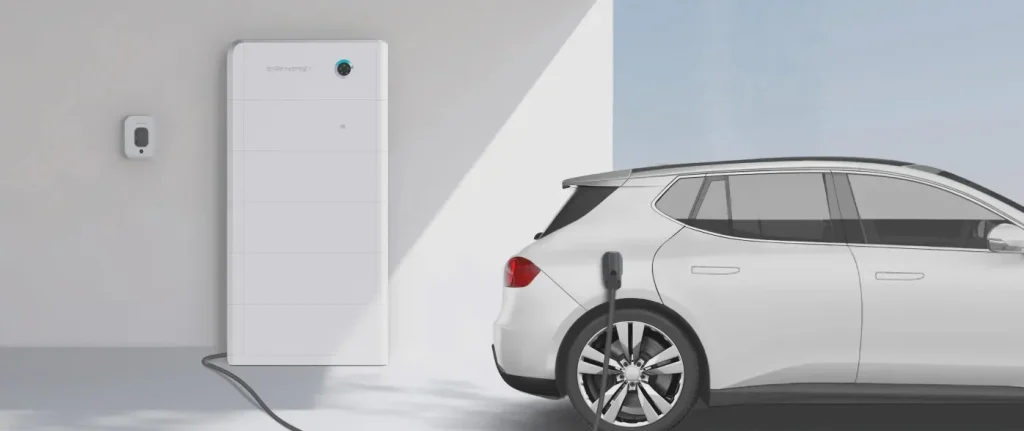
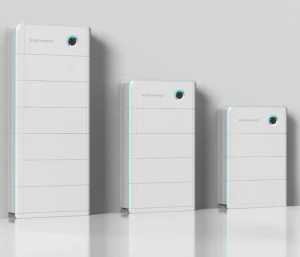
Sigenergy Sigenstor
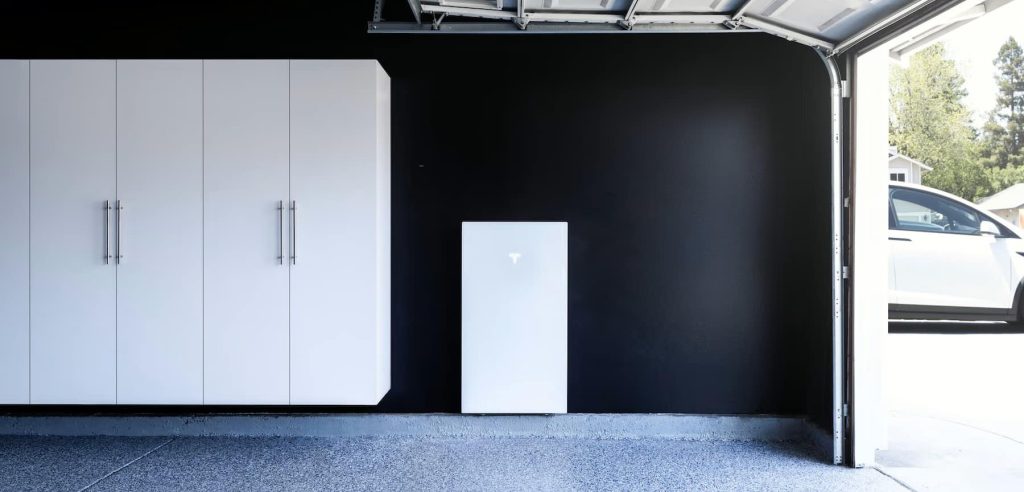
Tesla Powerwall 3

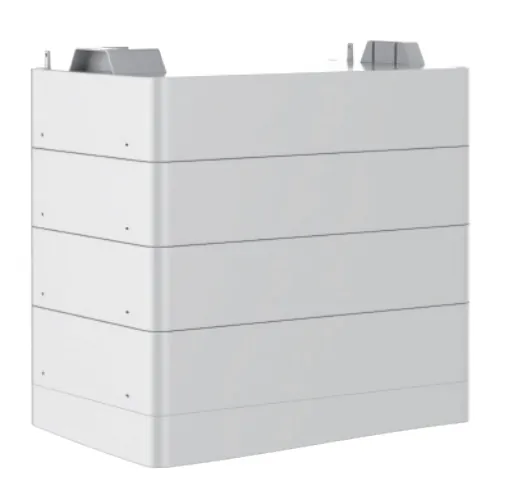
FOX ESS PowerQ AIO
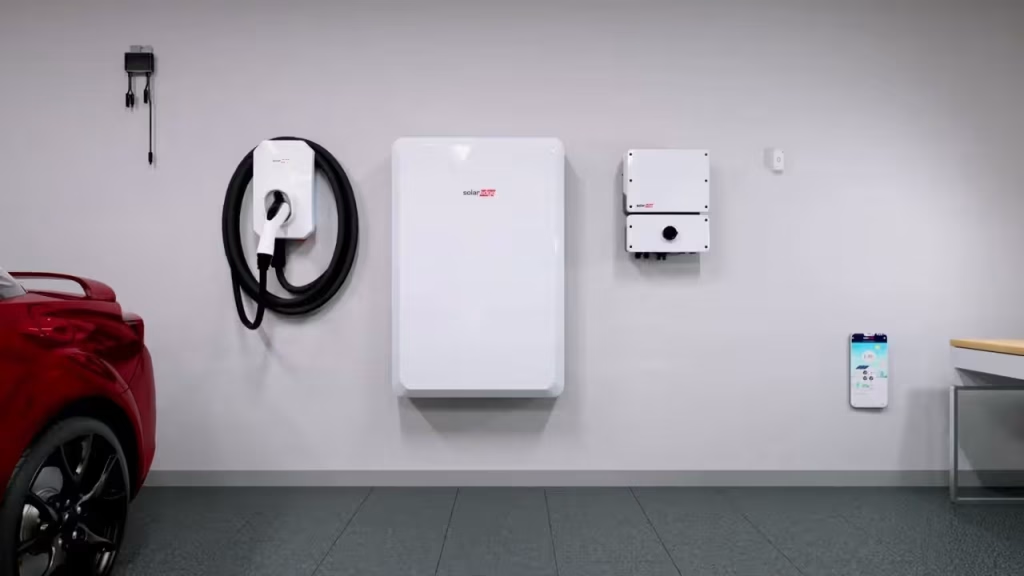
SolarEdge Home Battery 10K
Want to Add a Battery to Your Existing Solar System? Complete 2026 Guide
Yes — you can add a battery to almost any existing solar system. Whether your solar panels were installed last year or several years ago, adding energy storage is one of the smartest upgrades available today.
At Sun Supply PV, we help homeowners across the country retrofit their solar systems with modern home batteries. Adding storage allows you to store excess solar energy, enjoy whole-home backup power during outages, reduce peak electricity charges, and gain greater energy independence.
In this guide, we’ll cover everything you need to know: compatibility, best batteries for retrofits, costs, AC vs DC coupling, California incentives, and the step-by-step process.
Can You Add a Battery to an Existing Solar System?
The short answer is yes in the vast majority of cases.
Most existing grid-tied solar systems can be retrofitted using AC-coupling, which adds a battery system that works alongside your current solar inverter. This approach requires minimal changes to your original solar array.
Key Factors That Affect Ease of Retrofit: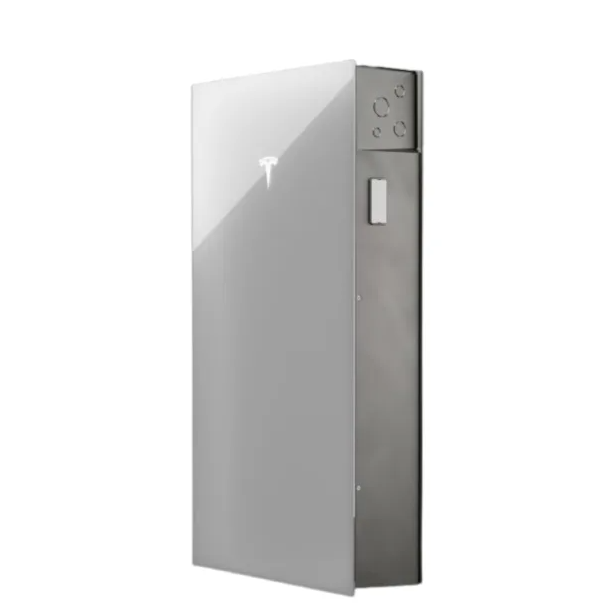
- Inverter Type: Systems with Enphase microinverters or modern string inverters are usually the easiest.
- System Age: Newer systems (post-2020) are generally more compatible.
- Inverter Brand: Enphase, SolarEdge, and many others have clear retrofit paths.
AC-Coupled Retrofits (most common) work with virtually any existing solar setup. DC-Coupled Retrofits offer higher efficiency but may require a compatible hybrid inverter or upgrade.
Our team can review your current inverter model, system size, and configuration to recommend the simplest and most cost-effective solution.
Best Home Batteries for Existing Solar Systems in 2026
Here are the top options we stock and recommend for retrofits:
Key Takeaways
- Enphase IQ Battery 10C — The strongest Enphase option for higher-capacity needs. It delivers nearly double the capacity and power of the 5P while maintaining seamless integration with existing Enphase microinverter systems.
- Tesla Powerwall 3 — Still leads in raw power output, making it ideal for homes with large backup demands.
- SolarEdge Home Battery — Best efficiency match for homes already using SolarEdge Power Optimizers.
- FOX ESS PowerQ AIO — Great value all-in-one solution with solid scalability.
- Sigenergy SigenStor — Highly flexible modular design with excellent cycle life.
All five options use safe LFP chemistry (except the SolarEdge model) and are UL 9540A certified where noted. They support both grid-tied optimization and whole-home or critical-load backup.
AC Coupling vs DC Coupling – Which Is Better for Your Retrofit?
- AC Coupling: Easiest for most retrofits. The battery connects on the AC side and works with almost any existing inverter. Ideal for Enphase systems or older setups.
- DC Coupling: Connects directly to the DC side for higher round-trip efficiency (up to 94.5%+ with SolarEdge). Best if you already have (or are willing to upgrade to) a compatible hybrid inverter.
We’ll help you choose the right coupling method based on your current equipment and goals (maximum efficiency, simplest install, or best backup performance).
 How Much Does It Cost to Add a Battery in 2026?
Typical installed costs range from $12,000 – $35,000+ depending on:
- Battery size and brand
- Whether electrical upgrades (main panel, subpanel, or meter) are needed
- Permitting and labor in your area
Many homeowners see payback in 6–10 years through bill savings, time-of-use optimization, and backup value — especially under NEM 3.0 or similar export-rate structures.
Current Incentives (2026 Update): The federal Investment Tax Credit for residential systems has expired, but California’s SGIP (Self-Generation Incentive Program) still offers substantial rebates for battery storage, particularly for low-income, medically vulnerable, or PSPS-affected households (Equity / Equity Resiliency tiers). Many territories are currently waitlisted, so early planning helps. We can guide you on eligibility and current status.
Step-by-Step: Adding a Battery to Your Existing Solar System
- Free Compatibility Assessment – Share your inverter brand/model and
system size with us.
- System Review & Design – We recommend the best battery and coupling method.
- Quote & Incentive Check – Transparent pricing with available rebates applied.
- Permitting & Utility Approval – We handle all paperwork.
- Professional Installation – Performed by experienced crews.
- Commissioning & Training – Setup of the monitoring app and handover.
Most retrofits can be completed in 1–3 days.
FAQs
Will adding a battery void my existing solar warranty?
In most cases, no — especially with AC-coupled installations. We work carefully to preserve your original warranties.
Do I need to replace my inverter?
Usually not, but possibly. AC-coupling allows you to keep your current inverter. DC-coupling may require a hybrid inverter upgrade in some situations.
How much backup power can I expect?
Depends on battery size and your home’s loads. A single Powerwall 3 can often run essential loads for 8–24+ hours; multiple units or Enphase stacks provide more capacity.
Can I add a battery if my solar system is older?
Yes in most cases. Even systems installed 5–10 years ago can often be retrofitted successfully.
Which is the best home battery for retrofitting an existing solar system?
There isn’t one “best” battery for everyone — it depends on your current inverter type and needs. Enphase works great with microinverter systems, Tesla offers the highest power output, SolarEdge pairs best with optimizer systems, while FOX ESS and Sigenergy provide strong value and flexibility. We can recommend the right one after reviewing your existing solar setup.
How long does the retrofit process take?
From initial assessment to final commissioning, most projects take 4–8 weeks, with actual installation completed in 1–3 days.
Do incentives exist outside California?
Yes—many states/utilities offer rebates, tax credits, or programs (e.g., CT, MA, NY, TX). Share your zip/utility in the form for specifics.
What about California’s SGIP program?
It’s a standout CA incentive (up to $1,100/kWh for qualifying battery installs under Equity categories), but similar support exists elsewhere—your installer can confirm current availability.
How does TOU (time of use) work in my area?
This strategy, often called “peak shaving” or “load shifting,” can lead to substantial monthly savings u002du002d sometimes $150+ per month depending on your usage and rate plan. Your installer can review your specific utility rate schedule and run a customized savings analysis to show exactly how much you could save with a battery.
Can batteries retrofit existing solar?
Yes, typically via AC-coupling—details in the form below can help us confirm.
Backup duration?
Varies by size/loads—e.g., 10–15 kWh often covers essentials 24+ hours.
Am I comitting to anything by filling out this form?
No obligation. Just let us know how we can help. We also keep all your data private. We will never sell your contact info to anyone for any reason.
Ready to Add Battery Storage to Your Solar System?
At Sun Supply PV, we make battery retrofits simple, transparent, and affordable. Whether you want whole-home backup, better self-consumption, or protection from rising rates and outages, our team will guide you every step of the way.
Get a free compatibility assessment and custom quote today.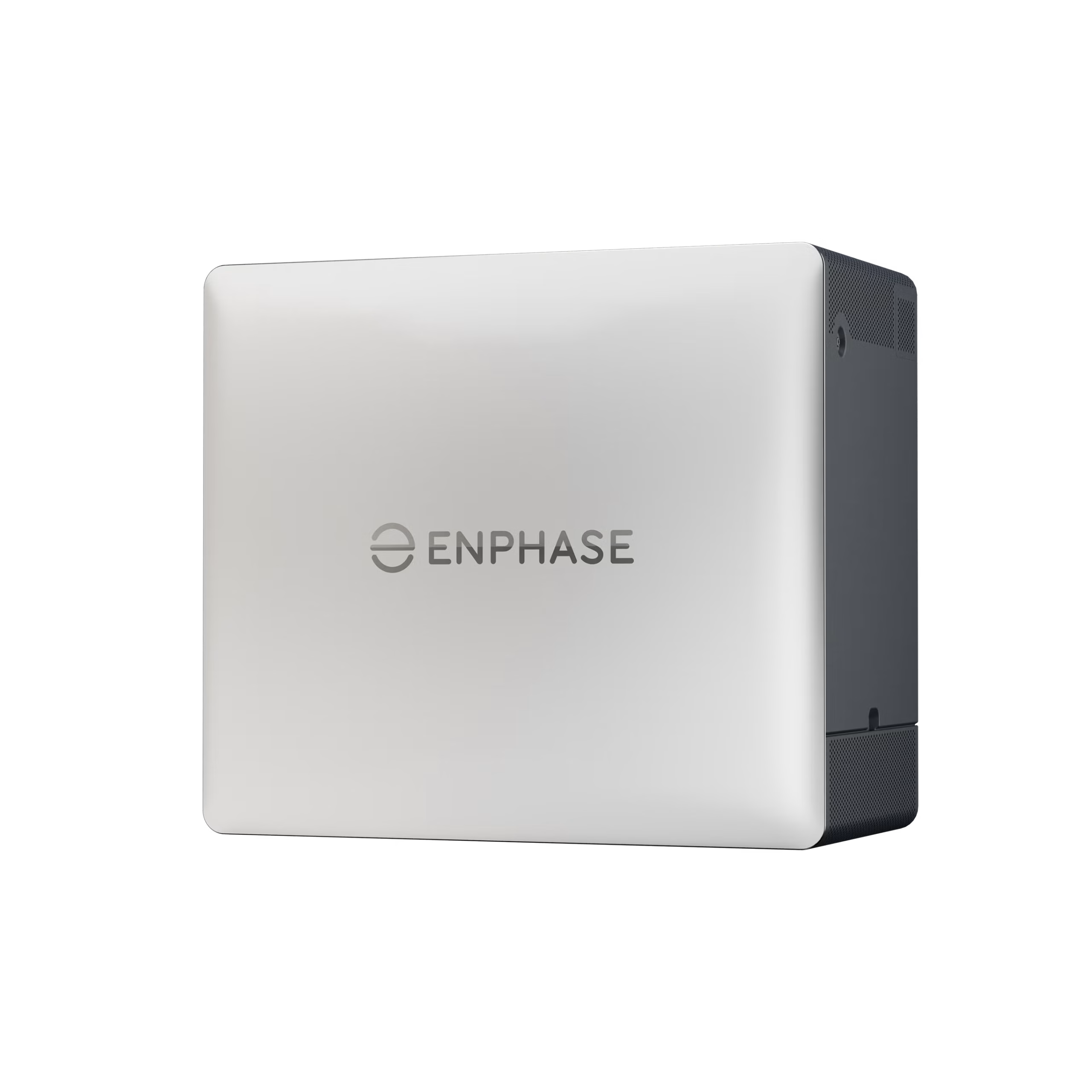
Browse our full selection of home batteries and related components on the site.
In addition to other batteries, we stock the latest Enphase IQ Battery 10C and 5P, Tesla Powerwall 3, SolarEdge Home Battery, Sigenergy Sigenstor Battery, Fox ESS PowerQ Battery, compatible inverters, optimizers, racking — all ready to ship.
Questions? Our knowledgeable team is here to help. Contact us today and take the next step toward true energy independence.
Want to Add a Battery?
Please Provide us a few details so we can better assist you. If you'd prefer to talk to a Rep, please call our team 888.764.2588.